Mixed Fish Catch in Baltimore MD - Charter Success
Mixed Species Fishing in Baltimore - What to Expect

Fishing Charter by Captain Gus Clifton Jr in November
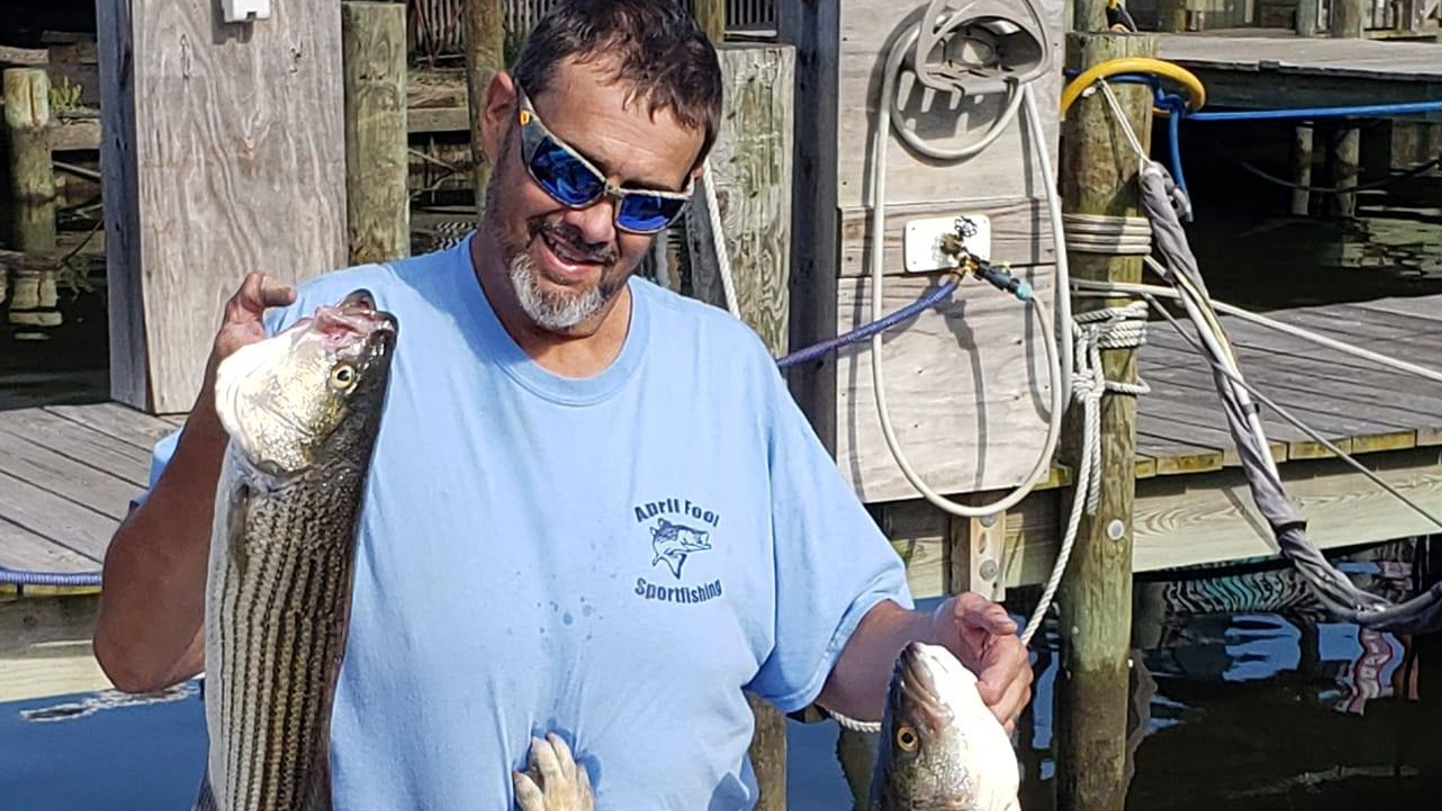
- Premier Baltimore Fishing Charters. Reel Now!


Summary
Experience a productive fishing charter in Baltimore where Captain Gus Clifton Jr of Ditch Hag Sportfishing Charters delivered a quality mixed catch including White Perch, Channel Catfish, and Yellow Bullhead. This Friday in November outing showcases the diverse species and professional expertise available on local waters.
Fishing Charter with Captain Gus Clifton Jr - Rates & Booking
Captain Gus Clifton Jr of Ditch Hag Sportfishing Charters operates fishing charters on Friday in November, delivering consistent results for anglers targeting Baltimore's dynamic fish populations. With access to proven fishing grounds and years of local water knowledge, Captain Clifton brings professional expertise to every outing. Contact Ditch Hag Sportfishing Charters to discuss rates, availability, and book your charter experience.
Highlights of Baltimore Fishing Charters
The mixed catch displayed here represents exactly what experienced anglers can expect from Baltimore's productive waters. White Perch provide reliable action and excellent table fare, while Channel Catfish offer substantial weight and challenging fights. Yellow Bullhead round out the diversity, showcasing the multi-species opportunities available to charter clients. These results reflect Captain Clifton's ability to locate and target fish consistently throughout the season.
Local Species Insights: White Perch, Channel Catfish, and Yellow Bullhead
Baltimore's waters support three distinct species that demonstrate the ecological richness of the Chesapeake Bay region. White Perch are aggressive feeders typically found around structure and deeper channels, responding well to live bait and artificial lures. These fish provide both sport value and excellent eating quality, making them a favorite among local anglers. White Perch tend to school, creating opportunities for rapid-fire action once a productive area is located.
Channel Catfish inhabit the deeper channels and muddy bottoms throughout Baltimore Harbor and surrounding waterways. These bottom feeders are nocturnal hunters but remain active during daytime hours, particularly around structure and baited areas. Channel Catfish can reach impressive sizes in these waters, offering anglers the chance at substantial specimens. Their powerful runs and endurance make them genuinely challenging opponents on appropriate tackle.
Yellow Bullhead represent Baltimore's smaller catfish species, found in similar habitats to their larger Channel Catfish cousins. These fish are hardy, aggressive, and excellent indicators of healthy forage populations. While smaller than Channel Catfish, Yellow Bullhead provide consistent action and demonstrate the abundance of bottom-feeding species available in local waters. Their presence on coolers like the one shown here confirms the overall health and diversity of the fishery.
The success of this catch reflects proper timing, appropriate tackle selection, and knowledge of where these species congregate. Captain Clifton's charter approach takes advantage of seasonal patterns and current conditions to position clients where action is most likely. Understanding the distinct habitat preferences and feeding behaviors of each species allows for strategic targeting and consistent results throughout the fishing season.
Fishing in Baltimore: Channel Catfish, White Perch and Yellow Bullhead
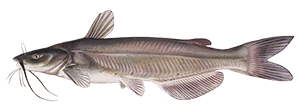
Channel Catfish Overview
The Channel Catfish (Ictalurus Punctatus), a member of the family Ictaluridae and order Siluriformes, stands out as one of North America's most beloved and resilient gamefish. These whiskered warriors are easily recognized by their slime-covered bodies, prominent barbels, and deeply forked tails that cut through the water like an upside-down V. What makes them truly remarkable is that their entire body is covered in taste buds—yes, their skin can literally taste—which gives them an almost supernatural ability to hunt in the murkiest conditions. Channel Catfish have been a staple for anglers across countless rivers and lakes for generations, and their reputation for hard-fighting spirit combined with their willingness to bite makes them an excellent target for both novice and experienced fishermen alike.
Channel Catfish Habitat and Distribution
Channel Catfish thrive in a wide variety of freshwater environments, showing a strong preference for reservoirs, lakes, and river systems throughout North America. These adaptable fish are particularly fond of areas with structure—river bends, deep channels, rocky wrecks, and tidal mouths all provide ideal habitat. They prefer warm waters and can tolerate both clear and muddy conditions, though they seem equally content in either. Look for them near debris piles, hollow logs, and underwater cavities where they like to hide and spawn. Across the continent, from small regional waterways to major river systems, the Channel Catfish has established itself as a native species that's become synonymous with successful weekend fishing trips.
Channel Catfish Size and Weight
Most Channel Catfish anglers can expect to land fish ranging from 15 to 25 inches in length, typically weighing between 2 to 4 pounds. However, these fish can grow significantly larger under the right conditions. Many seasoned anglers consider a 10-pound specimen admirable, while a 20-pounder is truly impressive. Historical records show Channel Catfish have been documented at weights approaching 58 pounds, though such trophies are exceptionally rare. The average catch provides excellent action and sport, making them perfect for a satisfying day on the water without requiring specialized equipment or extreme dedication.
Channel Catfish Diet and Behavior
Channel Catfish are opportunistic omnivores with remarkable sensory capabilities. They spend much of their time feeding along the bottom, searching for vegetation, aquatic insects, snails, crawfish, seeds, and smaller fish. As they mature, their diet becomes increasingly varied and their appetite more aggressive. What sets them apart behaviorally is their reliance on taste rather than sight—their barbels and taste-bud-covered bodies allow them to navigate and hunt effectively even in total darkness or cloudy water. They communicate with each other through sound waves, creating clicks and grunts that serve various social functions. During daylight hours, they often retreat to deeper holes and cavities, becoming more active at dawn, dusk, and throughout the night. This nocturnal tendency makes evening and night fishing particularly productive.
Channel Catfish Spawning and Seasonal Activity
Channel Catfish are most active during warmer months, with peak feeding and spawning occurring in spring and summer when water temperatures climb. Spawning typically happens in late spring when they seek out cavities, crevices, and hollow structures to deposit eggs and protect them from rushing currents. Males become particularly aggressive during this period, actively defending nesting sites. Fall and winter see reduced activity, though hungry Channel Catfish will still bite under the right conditions. The species grows best in warm environments, so understanding seasonal temperature changes in your local water helps predict when and where to find them most reliably.
Channel Catfish Techniques for Observation and Capture
Bait Selection and Rod Setup: The most effective approach involves using stinkbait, which appeals specifically to Channel Catfish due to its pungent amino acid profile—particularly L-Arginine and L-Alanine—that creates an irresistible scent trail. Alternative baits include cheese-based fibrous preparations, live minnows, and worms. Pair your bait with a 7 to 7.6-foot fishing rod featuring a strong backbone capable of handling their weight and powerful runs. Sharp, oversized treble hooks are essential for penetrating their notoriously hard mouths and preventing escape. Cast near structure—river bends, debris piles, and channel drop-offs—and let your bait settle to the bottom where these bottom-feeders naturally hunt.
Location and Timing: Fish river tidal mouths and bends during slack tide or incoming water when Channel Catfish are most active. Early evening through midnight represents prime fishing time, though they'll bite throughout the day if conditions are right. Position yourself near wrecks, submerged logs, or deep holes where they shelter. Around major rivers and reservoir systems, focus on transition zones where shallow flats meet deeper channels—these are natural highways for foraging fish.
Handling and Safety: Once hooked, Channel Catfish fight hard and can be slippery due to their protective slime coating. Approach them with respect: their dorsal and pectoral fins sport sharp spines capable of inflicting painful cuts. Keep a secure grip, use a net when possible, and be prepared for a spirited struggle. These fish are remarkably difficult to tire, often requiring patience and steady pressure to bring to boat or shore.
Channel Catfish Culinary and Utilization Notes
Channel Catfish have long been valued as a food fish, particularly in Southern cuisine, and they offer mild, slightly sweet white meat that's excellent when properly prepared. Fried, baked, or blackened, they provide a reliable source of lean protein. The average odds for food quality are solid, making them a practical choice for anglers interested in both sport and a fresh meal. Their sustainability as a native species and relative abundance means harvesting them responsibly supports both tradition and local ecosystems. Always check local regulations regarding size and bag limits to ensure ethical and legal harvest.
Channel Catfish Frequently Asked Questions
Q: What is the best bait for catching Channel Catfish?
A: Stinkbait is widely considered the gold standard due to its powerful amino acid scent profile that Channel Catfish find irresistible. However, live minnows, chicken liver, and cheese-based baits also produce excellent results. The key is using something with a strong scent that will disperse through the water column, allowing these taste-sensitive fish to locate your offering from a distance.
Q: What rod and reel setup do I need for Channel Catfish?
A: A 7 to 7.6-foot rod with a strong backbone and a quality baitcasting or spinning reel capable of handling 15-25 pound test line is ideal. The longer rod length allows for better casting distance and more effective presentation techniques like pitching and flipping. Ensure your rod has enough power to handle their runs and head shakes without breaking.
Q: When is the best time to fish for Channel Catfish?
A: Evening through midnight is prime time, though they bite throughout the day. Spring and summer offer the most consistent action when water temperatures are warmest. Look for them during periods of low light when they're naturally more active feeders. Overcast days can also be productive as they're less sight-dependent than other species.
Q: Where can I find Channel Catfish near popular fishing destinations?
A: Focus on river bends, tidal mouths, deep channels, and areas with submerged structure like logs, rocks, and debris piles. Reservoirs and larger lakes with significant depth variation are excellent choices. Check local fishing reports and ask at bait shops—they'll know the most productive spots in your region and current conditions.
Q: Why do Channel Catfish have those long whiskers?
A: Those barbels aren't just for show—they're sensory organs packed with taste receptors that help compensate for relatively poor vision. In murky water or darkness, these whiskers allow them to navigate and locate food with remarkable precision. Their entire body, in fact, is covered with taste buds, giving them an almost superhuman ability to detect prey.
Q: Are Channel Catfish good to eat?
A: Absolutely. They provide mild, slightly sweet white meat that's excellent when fried, baked, or blackened. They're a traditional food fish, especially in Southern cuisine, and offer good nutritional value as a lean protein source. Always follow local size and bag limit regulations, and consider harvest sustainability based on your local fishery's management guidelines.
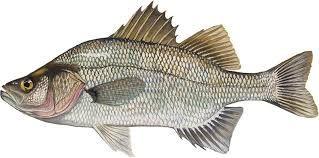
White Perch Overview
The White Perch (Morone americana) is a fascinating member of the Moronidae family within the order Perciformes, and it's one of the most accessible and exciting game fish you can encounter along the Atlantic coast. Don't let the name fool you—this silvery, dark-backed fighter is actually part of the bass family, which explains its sleek, compact body and aggressive feeding behavior. With its 3 anal spines and characteristic dorsal fin configuration, the White Perch is instantly recognizable once you know what to look for. What makes this species particularly special is its adaptability; while it thrives in brackish estuaries from Nova Scotia down to South Carolina, it's also comfortable in freshwater systems, making it accessible to anglers exploring diverse waterways and regions like the Hudson River and Chesapeake Bay.
White Perch Habitat and Distribution
White Perch are scattered throughout the western Atlantic Ocean, with their range extending from Nova Scotia all the way down to South Carolina. They absolutely love brackish waters, so your best bet for finding them is to explore tributaries and estuaries where freshwater meets the sea. The Chesapeake Bay and Hudson River are legendary hotspots where these fish congregate in impressive numbers, making them ideal destinations for both novice and experienced anglers. If you're targeting adult fish, focus your efforts on open waters close to shore. The species thrives in environments where salinity levels fluctuate, and they're equally comfortable in slightly brackish rivers with fine gravel or sand substrates. Around the Mid-Atlantic region, these fish are particularly abundant and accessible year-round.
White Perch Size and Weight
White Perch are considered small game fish, with typical catches ranging from 7 to 10 inches in length and weighing less than a pound on average. However, don't underestimate their potential—the largest White Perch ever recorded stretched to an impressive 19 inches, while the heaviest specimen tipped the scales at 3.48 pounds. These record-breakers are rare, but they prove that patience and proper technique can yield exceptional results. Most anglers find that the average fish in their cooler runs between 8 and 12 inches, which is perfect for a fun, fast-paced fishing experience.
White Perch Diet and Behavior
These carnivorous hunters are absolutely relentless in their pursuit of prey. Their diet is remarkably diverse, consisting of insects, squids, fish eggs, small crabs, and smaller fish species. What's particularly interesting is their reputation as egg-eaters—White Perch have earned a bit of notoriety in certain regions because they consume the eggs of other fish species and can outcompete native populations for both food and space. This aggressive feeding behavior makes them phenomenal game fish to pursue because they'll chase down your offerings with enthusiasm. They prefer warm water that isn't too hot, so look for shadowed areas where cooler water provides refuge. Their feeding intensity peaks during early morning and evening hours, though they'll feed actively throughout the day if conditions are favorable.
White Perch Spawning and Seasonal Activity
Here's where things get really interesting: White Perch are semi-anadromous, meaning they migrate between different water types for breeding. These fish live primarily in brackish waters but undertake impressive spawning migrations into freshwater rivers each spring. The prime spawning window occurs from April through June, when water temperatures reach the ideal range of 50 to 60 degrees Fahrenheit. During this period, large schools migrate upstream to rivers with fine gravel or sand substrates to deposit their eggs. A single female can lay between 20,000 and 300,000 eggs per spawn—an astronomical number that demonstrates their reproductive commitment. The eggs themselves are fascinating: they clump together with an adhesive quality that helps them attach securely to vegetation and rocks. After spawning, parents abandon the eggs and return to brackish waters, leaving the developing fry to fend for themselves.
White Perch Techniques for Observation and Capture
Fly Fishing Method: A 6 to 7-foot fly rod paired with a 6 to 8-pound test medium-light rod is more than sufficient for White Perch. Since they don't require long casting distances, shorter rods are actually advantageous for accuracy and control. Use 4 to 8-pound monofilament or braided line, and equip your setup with multiple hook rigs—ideally 2 to 4 hooks—so you can maximize your catch during active feeding periods. Hook sizes 5 through 8 work best for these smaller fish. The technique is straightforward: cast your jig or baited hook into the strike zone, let it settle momentarily, then jig it upward with a steady retrieve to imitate fleeing prey. This predator-prey dynamic triggers aggressive strikes.
Bait and Lure Strategy: White Perch have a particular weakness for bloodworms and minnows—these are your go-to live baits. If you prefer artificials, hair jigs and rooster tails are consistently effective at drawing strikes. Soft plastic lures that resemble small baitfish also work wonderfully. The key is to present your offering in shallow to mid-depth waters near structure like pilings, weed beds, and rocky outcrops where these fish congregate. Around the Hudson River and Chesapeake Bay, try early morning sessions when schools move into shallower feeding zones.
Timing and Location: Your success rate jumps dramatically during spring spawning runs (April to June) when massive schools concentrate in specific river systems. Early morning and evening hours produce the most consistent action, though any time of day can yield results. Target areas where tributaries meet larger bodies of water, as these transitional zones concentrate feeding fish. Catching doubles is common when you hit the timing right—it's not unusual to land several fish in rapid succession during peak periods.
White Perch Culinary and Utilization Notes
White Perch have average odds as a food fish, meaning they're edible and can be prepared in various ways, though they're not typically considered a premier culinary target. The meat is mild and can be prepared through frying, baking, or steaming. These fish are nutritious and sustainable to harvest, making them a reasonable option if you're planning a fish fry. However, most anglers pursuing White Perch do so primarily for the sport and excitement rather than the table fare. The real value lies in the good odds for angling success—they're abundant, willing strikers, and provide fantastic recreational opportunity. Their propensity to catch multiple specimens quickly makes them excellent fish for teaching beginners or for an action-packed outing.
White Perch Frequently Asked Questions
Q: What is the best bait for catching White Perch?
A: Bloodworms and live minnows are your top choices, though White Perch will also enthusiastically chase hair jigs, rooster tails, and soft plastic lures. The key is matching the size of your offering to the forage in your local system—smaller baits and lures in the 1 to 3-inch range typically outperform larger offerings.
Q: Where can I find White Perch near the Chesapeake Bay region?
A: The Chesapeake Bay is one of the most abundant White Perch fisheries on the East Coast. Focus on tributary rivers and estuaries during spring spawning runs, particularly areas where freshwater streams meet brackish water. The upper Chesapeake tributaries and the Susquehanna River are particularly productive.
Q: Why is the White Perch called a perch when it's actually a bass?
A: This is a common source of confusion. The White Perch is scientifically classified in the Moronidae family (the bass family) rather than the true perch family. Despite the misnomer, its body structure, spinal configuration, and behavior closely align with bass characteristics, not true perches.
Q: When is the best time to catch White Perch?
A: Spring (April through June) during the spawning migration is peak season, when massive schools move into freshwater tributaries and are highly aggressive. However, these fish can be caught year-round in brackish waters. Early morning and evening hours consistently produce the most strikes during calmer conditions.
Q: Is the White Perch good to eat?
A: White Perch are edible with mild, acceptable meat quality. They can be fried, baked, or steamed and are nutritious choices. However, most anglers target them for sport rather than food value. The real appeal lies in their abundance, willingness to strike, and the fast-paced action they provide.
Q: What rod and reel setup do I need for White Perch?
A: A 6 to 8-pound test medium-light rod paired with a modest reel is perfectly adequate. A 6 to 7-foot fly rod is ideal since you won't need long casting distances. Use 4 to 8-pound monofilament or braided line and equip multiple hook rigs so you can catch more fish efficiently.
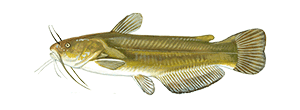
Yellow Bullhead Overview
The Yellow Bullhead (Ameiurus natalis) is a hardy, medium-sized freshwater catfish belonging to the family Ictaluridae and order Siluriformes. What makes this bullhead stand out among its cousins is its distinctive coloring—ranging from yellow-olive to rich brown on top with creamy white undersides—combined with its remarkable array of four black barbels and four white chin barbels that give it an unmistakable appearance. This fish is a favorite among both beginner and seasoned anglers across central and eastern U.S. regions, including areas around major river systems and lakes. One of the most intriguing features is that the Yellow Bullhead's entire body is covered in taste buds, making it an incredibly sensitive hunter capable of detecting food in murky, vegetated waters where most other fish would struggle.
Unlike many game fish that require pristine conditions, the Yellow Bullhead thrives in environments where other species cannot survive, earning it a reputation as one of nature's most resilient freshwater survivors. Whether you're fishing near Ohio, Alabama, Texas, or the Great Lakes, encountering a Yellow Bullhead means you've found a thriving ecosystem—even if the water doesn't look perfect on the surface.
Yellow Bullhead Habitat and Distribution
The Yellow Bullhead prefers slow-moving, shallow waters with plenty of vegetation and muddy substrates. They are non-migratory fish that establish territories and remain in one location throughout their entire lives, making them predictable and reliable targets for anglers. These bottom dwellers thrive in water temperatures between 41–59°F and are commonly found in depths ranging from 2 to 30 feet, though they occasionally venture deeper. Their geographic range spans from central to eastern North America, including western Ohio, Alabama, the south side of Texas, Missouri, Georgia, Mississippi, North Dakota, the Willamette Basin in Oregon, and throughout the Great Lakes region. Year-round fishing opportunities exist in these areas, as the Yellow Bullhead remains active across all seasons, though they are most active during warmer months and at night.
The key to locating these fish is searching for areas with thick aquatic vegetation, submerged logs, and soft muddy bottoms where they can hide and hunt. Backwaters and slower sections of rivers are prime habitat, as fast-flowing currents are avoided by this species.
Yellow Bullhead Size and Weight
The Yellow Bullhead is a modest-sized fish compared to other catfish species. Most individuals average around 6 inches in length and weigh less than 2 pounds, making them perfect for catch-and-release experiences or small-scale culinary purposes. However, these fish can grow significantly larger under ideal conditions: the record-setting specimen reached 25 inches in length and weighed an impressive 6.6 pounds. With proper care and abundant food sources, a Yellow Bullhead can live up to 12 years, providing excellent long-term fishing memories in the same favorite spots year after year.
Yellow Bullhead Diet and Behavior
Yellow Bullheads are voracious, non-selective eaters with an almost insatiable appetite that operates throughout daylight hours but peaks dramatically at night. Their diet consists of aquatic plants, insects, small fish, crustaceans, and virtually any organic matter they encounter on the lake or river bottom. The remarkable taste bud-covered body allows them to locate food efficiently in low-visibility conditions, making them extraordinarily successful hunters in murky, vegetated waters. These fish are notably social and often congregate in groups, yet they remain territorial and defensive of their immediate surroundings. One of the most endearing behaviors is their protective parenting instinct: Yellow Bullheads take turns guarding their nests, demonstrating remarkable dedication to offspring survival—a trait uncommon among many fish species.
As for their relationship with anglers, Yellow Bullheads are not bait-shy and will readily strike artificial flies and live baits with enthusiasm. Their willingness to engage makes them ideal for beginners learning fly-fishing fundamentals, while their unpredictable nature keeps experienced anglers entertained and challenged.
Yellow Bullhead Spawning or Seasonal Activity
Yellow Bullheads spawn during warmer months when water temperatures rise, typically in late spring through early summer. During this breeding season, both males and females exhibit heightened protective behaviors, guarding their nests vigilantly against predators and intruders. This parental guardianship makes Yellow Bullheads excellent subjects for observation during spawning season, as anglers and wildlife enthusiasts can witness remarkable displays of dedication and aggression. Outside the breeding season, these fish remain relatively stationary within their established territories, making them predictable residents of their chosen habitats throughout the year.
Yellow Bullhead Techniques for Observation or Capture
Method 1: Night Fly Fishing with Weighted Presentations — Yellow Bullheads are most active at night, making evening and night sessions ideal for targeting them. Use a 6–8 weight fly rod paired with a 71⁄2-foot leader. Cast weighted flies such as coneheads or bead-head patterns directly into areas with heavy vegetation. Add 10–12 split shot to your line to ensure the fly reaches the bottom where these bottom-dwellers forage. Since these fish have a tendency to swallow hooks, opt for size 2 circle hooks, which dramatically increase your chances of hooking them in the corner of the mouth rather than deep in the throat. The Yellow Bullhead will strike aggressively, providing excellent feedback and a rewarding fight on lighter tackle.
Method 2: Bait Fishing in Shallow Backwaters — Prepare live or cut bait presentations using corn, earthworms, shrimp, dough balls, boilies, or even beef jerky (which doesn't spoil and stays on the hook longer). Cast into shallow backwater areas 2–6 feet deep with thick vegetation. Position your bait on or near the muddy bottom, and wait for the sensitive taste buds of nearby Yellow Bullheads to detect your offering. Beef jerky is particularly effective because it resists degradation and remains attractive over extended periods. Around the Great Lakes region and major river systems like those near Ohio and Alabama, this method produces consistent results throughout the year.
Method 3: Tandem Rig for Multiple Fish — Increase your success rate by rigging two flies or baits on a tandem setup. This method allows you to experiment with different presentations simultaneously and cover more water with each cast. Use the same weighted flies or baits described above, positioned at slightly different depths to maximize your chances of connecting with foraging Yellow Bullheads. This approach is particularly effective in areas with high fish populations.
Yellow Bullhead Culinary or Utilization Notes
Yellow Bullheads are excellent table fare, offering a unique culinary experience for adventurous anglers and outdoor enthusiasts. The meat is known for its somewhat sweet flavor profile, distinguishing it from other catfish species and making it a delicacy among regional cuisines. The flesh is firm, flaky, and well-suited to various cooking methods including pan-frying, baking, and stewing. From a nutritional perspective, Yellow Bullhead meat is a good source of lean protein and omega-3 fatty acids. However, anglers should be aware that these fish inhabit sometimes-murky waters with variable pollution levels, so it's advisable to check local fish consumption advisories before harvesting large quantities. When prepared fresh from clean waters, Yellow Bullhead provides a rewarding culinary reward for a successful fishing outing.
Yellow Bullhead Frequently Asked Questions
Q: What is the best bait for catching Yellow Bullhead?
A: Yellow Bullheads are opportunistic feeders that will strike nearly any bait, but proven options include earthworms, corn, shrimp, dough balls, boilies, and beef jerky. Beef jerky is particularly effective because it resists degradation in water and stays firmly on the hook, allowing extended soak times without replacement.
Q: Where can I find Yellow Bullhead near major fishing regions?
A: Look for Yellow Bullheads in shallow, muddy areas of rivers, streams, backwaters, lakes, and ponds throughout central and eastern North America. Prime regions include the Great Lakes, river systems in Ohio, Alabama, Texas, Missouri, Georgia, Mississippi, and the Willamette Basin in Oregon. Focus on areas with heavy aquatic vegetation and soft bottoms in depths of 2–30 feet.
Q: Is Yellow Bullhead good to eat?
A: Yes, Yellow Bullhead offers surprisingly good eating with a somewhat sweet flavor that distinguishes it from other catfish. The meat is firm and flaky, suitable for pan-frying, baking, or stewing. Always verify local fish consumption advisories, particularly regarding pollution levels in your fishing area, before harvesting fish for consumption.
Q: When is the best time to catch Yellow Bullhead?
A: While Yellow Bullheads can be caught throughout the year, they are most active at night and during warmer months. Night fishing, particularly from dusk through early morning, produces the highest catch rates. Summer and early fall offer excellent opportunities, though winter fishing in warmer-water refuges can also be productive.
Q: What rod and tackle should I use for Yellow Bullhead fly fishing?
A: Use a 6–8 weight fly rod with a 71⁄2-foot leader. Since these fish are bottom dwellers, add 10–12 split shot to your line to reach productive depths quickly. Employ size 2 circle hooks to maximize successful hook-ups in the mouth corner. Weighted fly patterns such as coneheads or bead-heads are ideal for reaching the bottom where Yellow Bullheads forage.
Q: Why do Yellow Bullheads have venomous spines, and should I be concerned?
A: The dorsal and pectoral fin spines of Yellow Bullheads contain mild venom as a defensive mechanism. While not dangerous to humans under normal circumstances, handle these fish carefully to avoid accidental puncture wounds. Always wet your hands or wear gloves when handling freshly caught bullheads to protect yourself and minimize stress on the fish.