Blue Catfish Caught in Baltimore, MD with Gus Clifton Jr
Blue Catfish Fishing in Baltimore - What to Expect

Fishing Charter by Captain Gus Clifton Jr in November
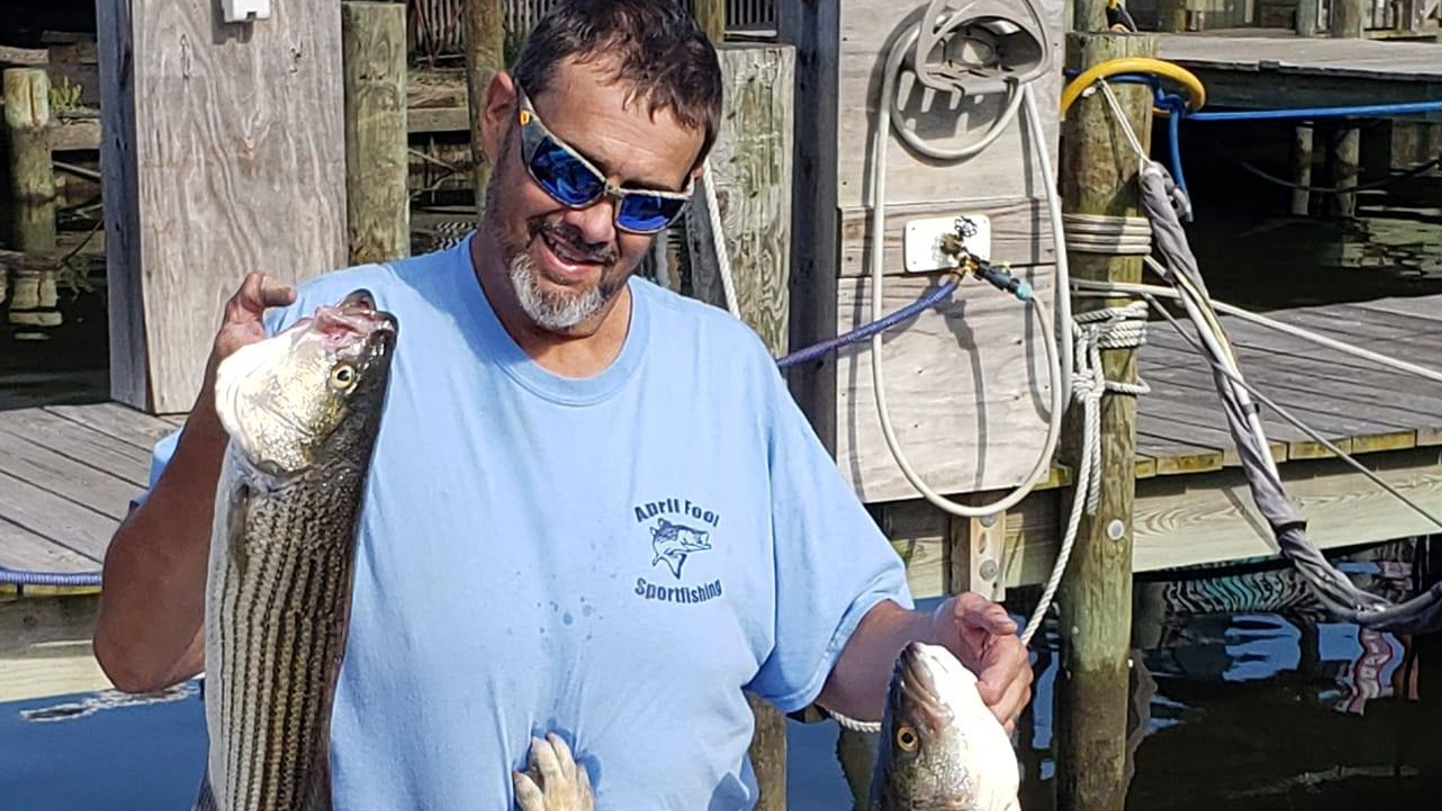
- Premier Baltimore Fishing Charters. Reel Now!


Summary
Reel in trophy blue catfish on a fishing charter in Baltimore with Captain Gus Clifton Jr of Ditch Hag Sportfishing Charters. This Saturday in November, join an unforgettable adventure targeting one of the bay's most prized species. Perfect for anglers seeking action-packed fishing experiences in Maryland.
Fishing Charter with Captain Gus Clifton Jr - Rates & Booking
Captain Gus Clifton Jr of Ditch Hag Sportfishing Charters welcomes anglers to Baltimore for an incredible blue catfish fishing adventure. Operating out of Maryland's prime fishing grounds, Captain Gus brings years of local expertise to every charter. Whether you're targeting trophy-sized blues or looking to land multiple fish, this fishing charter delivers the action you're after. Contact Ditch Hag Sportfishing Charters to reserve your date and get pricing details tailored to your group.
Highlights of Blue Catfish Fishing in Baltimore
Blue catfish in the Baltimore area are known for their size and strength, offering an exhilarating fight that keeps anglers coming back. These powerful fish are found in the deeper channels and structure around the bay, where they hunt aggressively. The experience of battling a large blue catfish is unforgettable - the pull, the resistance, and finally bringing that massive fish to the cooler makes for incredible memories and amazing catch photos.
Captain Gus knows exactly where and when to find trophy-sized blues. With proper techniques and the right location, you'll have genuine opportunities to land some seriously impressive fish. The camaraderie of sharing the excitement with fellow anglers and celebrating those big catches together is what keeps people coming back to Baltimore fishing charters.
Local Species Insights: Blue Catfish
Blue catfish are one of Baltimore's most aggressive and rewarding target species. These bottom feeders are powerful predators that respond well to fresh bait and have impressive strength pound-for-pound. In the Baltimore area, blues thrive in the bay's deeper structure, where they hunt everything from baitfish to crustaceans. They're bottom-oriented hunters, which means they're found near drop-offs, channels, and areas with good current flow that brings food their way.
What makes blue catfish so exciting for anglers is their combative nature. These fish don't go quietly - they use their strength to fight hard, making every catch feel earned. Trophy-sized blues can reach impressive weights, and landing one is a genuine achievement. The species thrives in Maryland's waters, making Baltimore an excellent destination for serious catfish anglers. The cooler full of fresh catches at day's end is proof of the incredible fishing opportunity these waters offer.
Blue catfish are most active during feeding periods, particularly around dawn and dusk. They use their keen sense of smell to locate food, so proper bait selection matters. Captain Gus understands the seasonal patterns and daily rhythms that affect blue catfish behavior, allowing him to put anglers in the right place at the right time for consistent success.
Fishing in Baltimore: Blue Catfish
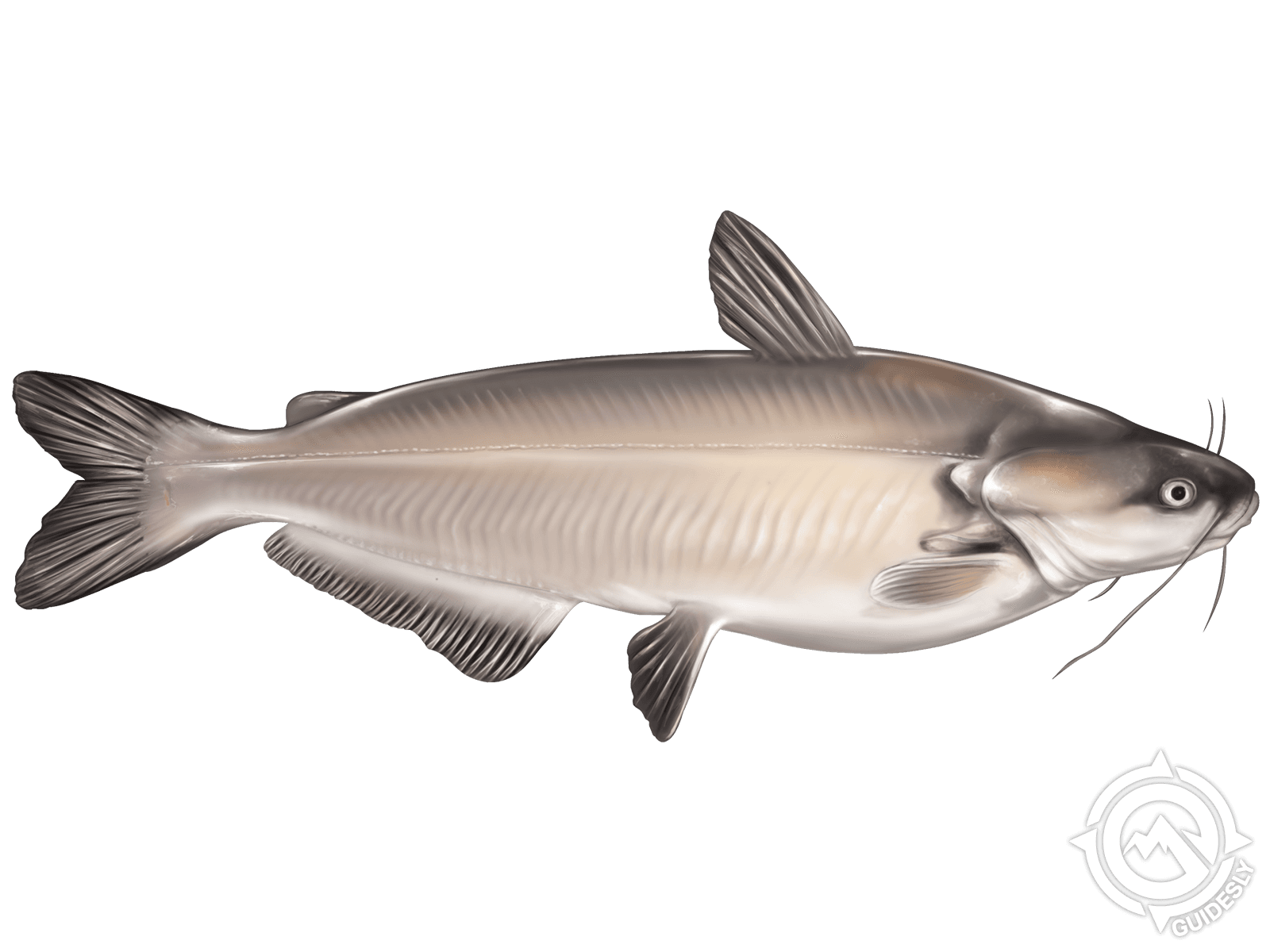
Blue Catfish Overview
The Blue Catfish (Ictalurus Furcatus) is a formidable freshwater predator belonging to the family Ictaluridae within the order Siluriformes. Known locally as the Blue Cat, this species is instantly recognizable by its distinctive slate-blue coloration, deeply forked tail, and prominent dorsal hump. Unlike their cousins the Channel Catfish, Blue Catfish feature a squared-off anal fin and 30–36 fin rays, making them unmistakable to experienced anglers. These catfish are the largest of all North American catfish species and have earned a reputation as both prized catches and, in places like Virginia, controversial invasive pests due to their explosive population growth and voracious appetite for native species.
Blue Catfish Habitat and Distribution
Blue Catfish thrive in rivers, lakes, flats, and backcountry waters throughout North America. They show a remarkable adaptability to brackish water environments, a trait that has contributed to their expansion beyond their native range. These fish are typically found in deep holes with muddy bottoms, particularly near tidal creeks where they can follow the tide and establish territories. Their low mortality rate and hunting prowess have allowed populations to flourish, especially in the Chesapeake Bay region and Virginia waterways. If you're exploring Blue Catfish habitat, focus on areas where strong tidal influences create channels and deeper holes—these are the highways and hunting grounds where these catfish congregate and feed most actively.
Blue Catfish Size and Weight
Blue Catfish are impressive in stature. They typically range from 25 to 46 inches in length, with weights averaging 20 to 81 pounds, though trophy specimens can push even higher. What makes the Blue Cat so remarkable is not just individual size but their consistency—many fish in popular fisheries will exceed 40 pounds. Their muscular build, underbite, and powerful tail enable them to dominate their aquatic ecosystems and provide anglers with genuine battles when hooked. The combination of mass and strength makes landing one of these catfish a memorable experience that demands proper equipment and technique.
Blue Catfish Diet and Behavior
Blue Catfish are described as terrifying hunters and opportunistic feeders with an almost legendary appetite. They consume virtually anything available: crawfish, freshwater mussels, frogs, smaller fish, and even Asian Carp when they reach larger sizes. Their behavior as scavengers is particularly notable—anglers frequently observe Blue Catfish feeding beneath schools of Striped Bass, capitalizing on baitfish escaping from larger predators. The fish's barbels serve as sensitive taste receptors that allow them to detect food in murky water, and their underbite positions them well for surface feeding and opportunistic strikes. They are primarily nocturnal hunters, making them most active during dawn, dusk, and nighttime hours. In Virginia and other regions where Blue Catfish populations have exploded, their predatory impact on native fish and crustacean populations—particularly blue crabs—has made them ecological concerns that warrant culling efforts.
Blue Catfish Spawning or Seasonal Activity
Blue Catfish spawning typically occurs in late spring through early summer when water temperatures warm. During spawning season, they seek shelter in hollow logs, root systems, and rocky crevices, creating nesting sites that can be surprisingly territorial. Outside of spawning periods, these catfish remain active year-round, though their feeding intensity can fluctuate with seasonal changes and water temperature. Winter months see them moving into deeper channels and holes where they remain relatively stationary, conserving energy in cooler water. Spring and fall periods, when water temperatures moderate, tend to trigger increased feeding activity, making these seasons particularly productive for anglers targeting Blue Catfish across their range.
Blue Catfish Techniques for Observation or Capture
Fresh-Cut Bait Method: The most effective approach for catching Blue Catfish involves fresh-cut bait—herring, sardine, shad, or even chicken liver. Cut your bait into chunks to release blood and scent into the water, which activates the fish's taste receptors across their body. Lower your bait to the bottom and let it rest; resist the urge to move it constantly, as these opportunistic hunters prefer stationary, easy targets. When you feel 1–2 nibbles, set the hook firmly. This passive method works especially well during evening and night hours when catfish are most active. Around Virginia's tidal rivers, this technique near deep muddy holes has proven particularly productive for landing trophy-sized specimens.
Electrofishing Technique: Electrofishing uses a cathode and anode to attract and temporarily stun catfish, making them easier to collect for research or culling efforts. While primarily a scientific and management tool, some recreational anglers in regulated areas explore this method. The electric field does not damage the fish's meat quality, and the mild shock makes handling safer. This advanced technique requires proper training and permits, but when deployed correctly in known hotspots, it can yield remarkable catches—some studies report hauling 700+ Blue Catfish per hour in heavily populated areas.
Location and Timing Tip: Identify deep channels and holes in lakes and rivers near tidal creeks, particularly in areas where Blue Catfish are known to congregate. Fish from dusk through midnight for optimal results, bringing leather gloves or high-friction fishing gloves to manage these slimy, powerful fighters. Around Virginia, focus on river systems in the Chesapeake Bay region where these catfish are most abundant and actively hunted by both recreational and commercial fisheries.
Blue Catfish Culinary or Utilization Notes
Blue Catfish meat is firm, white, and considered excellent eating by many anglers and chefs. The flavor is mild and slightly sweet, making it versatile for frying, baking, grilling, and stewing. A 40-pound Blue Catfish yields substantial fillets with minimal waste. However, in regions like Virginia where populations are considered invasive and destructive to native species, the culinary angle serves a secondary but important purpose: encouraging harvest and consumption as a population management strategy. Eating Blue Catfish is not only delicious but also environmentally responsible in areas where their numbers threaten ecological balance. The nutritional profile is strong, offering high-quality protein and beneficial omega fatty acids. Some restaurateurs and chefs have embraced farm-raised and wild-caught Blue Catfish as a sustainable, flavorful protein option that supports ecosystem health.
Blue Catfish Frequently Asked Questions
Q: What is the best bait for catching Blue Catfish?
A: Fresh-cut bait is your best bet. Use herring, sardine, shad, or chicken liver cut into chunks. The fresh blood and scent disperse into the water, triggering the catfish's taste receptors and drawing them to your bait. Let it sink to the bottom and remain still—these fish prefer an easy, stationary meal.
Q: Where can I find Blue Catfish near Virginia?
A: Virginia's tidal rivers, particularly those feeding into the Chesapeake Bay, are prime Blue Catfish habitat. Look for deep holes with muddy bottoms near tidal creeks. The James River, York River, and Rappahannock River systems all hold substantial populations. Fish near deep channels where the tide ebbs and flows—catfish follow these currents to hunt.
Q: Is Blue Catfish good to eat?
A: Absolutely. Blue Catfish meat is firm, white, and mild-flavored, making it excellent for frying, baking, or grilling. A large specimen provides substantial, high-quality fillets. In regions where populations are invasive, catching and eating them is both delicious and environmentally beneficial, helping to manage populations while enjoying a nutritious meal.
Q: When is the best time to catch Blue Catfish?
A: Dusk through midnight is prime time, though they can be caught throughout the day. Spring and fall offer increased feeding activity as water temperatures moderate. Night fishing in summer months, when water is warm and daylight feeding slows, is often most productive. Winter finds them in deeper holes but still catchable for determined anglers.
Q: How do I identify a Blue Catfish versus a Channel Catfish?
A: Blue Catfish have 30–36 fin rays and a squared-off anal fin, while Channel Catfish have rounded anal fins and fewer rays. Blue Catfish also feature a prominent dorsal hump and deeply forked tail. Their slate-blue coloration and underbite are additional distinguishing features. Counting rays is the most reliable field method.
Q: What size should I expect to catch?
A: Blue Catfish typically range from 25 to 46 inches and weigh 20 to 81 pounds. Many fish in established fisheries exceed 40 pounds, making them consistently impressive catches. They are the largest of all North American catfish species, so prepare for a powerful battle when you hook into one.