Blue Catfish Caught in Baltimore MD Fishing Charter
Blue Catfish in Baltimore - What to Expect

Fishing Charter by Captain Gus Clifton Jr in November
- Premier Baltimore Fishing Charters. Reel Now!


Summary
Join a fishing charter in Baltimore, MD to pursue blue catfish, powerful bottom dwellers that provide exciting action throughout the year. On this November outing with Captain Gus Clifton Jr of Ditch Hag Sportfishing Charters, quality catches demonstrate why local anglers target these species for their strength and fighting ability.
Fishing Charter with Captain Gus Clifton Jr - Rates & Booking
Captain Gus Clifton Jr of Ditch Hag Sportfishing Charters operates out of Baltimore, MD and specializes in pursuing blue catfish on charter fishing trips. Charter experiences are structured around target species and seasonal conditions, with experienced guidance helping anglers connect with these powerful fish. For specific rates, inclusions, duration, and group size, contact Ditch Hag Sportfishing Charters directly to customize your fishing adventure.
Trust in local expertise matters when targeting blue catfish. Captain Gus brings knowledge of Baltimore's waters and proven techniques for locating and landing these species. Book your charter to experience professional-guided catfish fishing.
Highlights of Blue Catfish Fishing
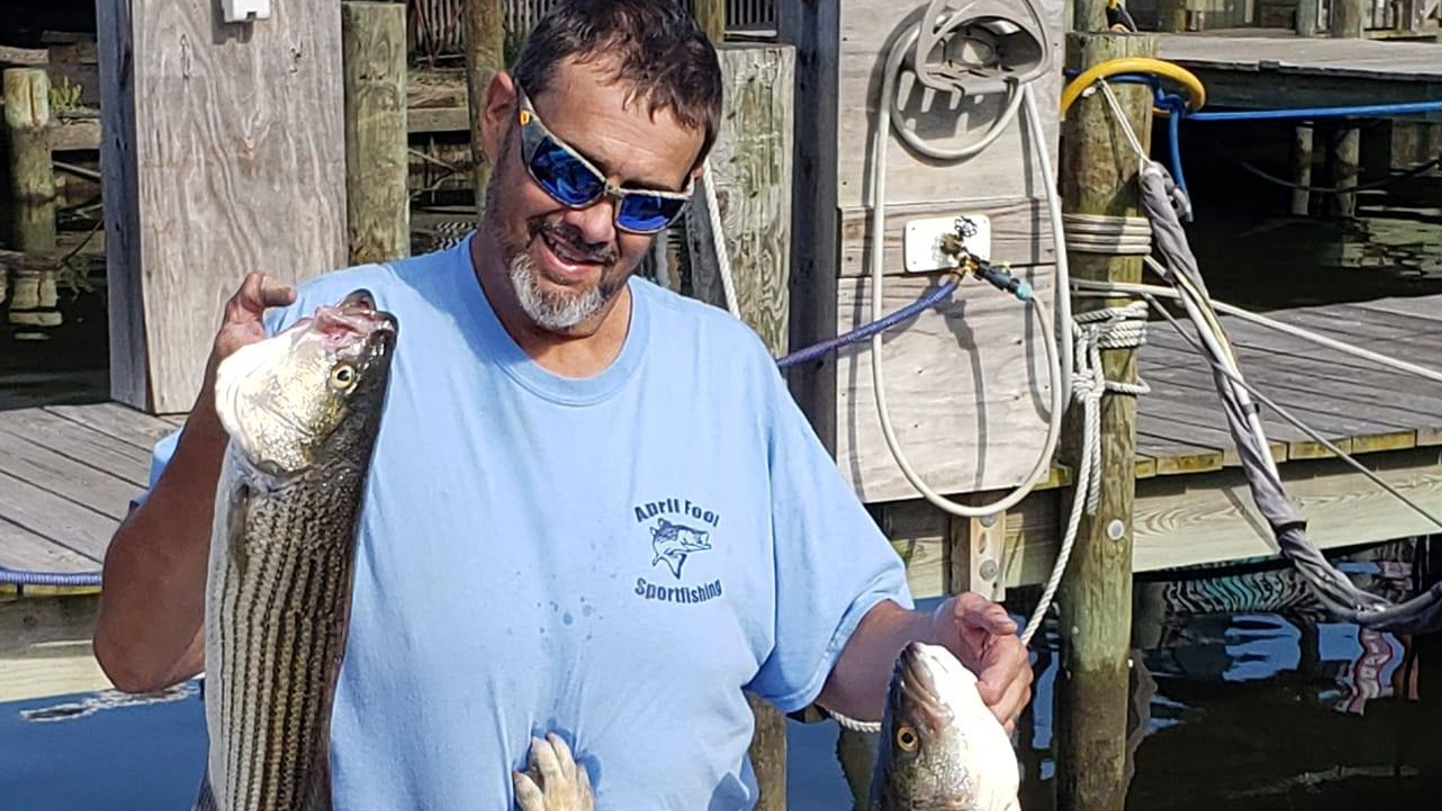
Blue catfish represent one of the most rewarding species for charter fishing. Their aggressive strikes, powerful runs, and substantial size make each encounter memorable. This catch, kept fresh on ice in the cooler, reflects the quality and quantity possible when fishing with experienced local guides who understand where and how to find these fish.
Baltimore's waters provide excellent habitat for blue catfish year-round. The combination of suitable depth, current, and structure creates consistent fishing opportunities. Anglers can expect hard-fighting fish that test tackle and technique.
Local Species Insights: Blue Catfish
Blue catfish are one of North America's largest catfish species, capable of reaching weights exceeding 100 pounds. Understanding their behavior improves success on the water. These fish are bottom feeders, using their highly developed sensory systems to locate food in low-visibility conditions. Their barbels, whisker-like sensory organs around the mouth, detect chemical signals in water, allowing them to hunt effectively day and night.
Habitat preferences define where blue catfish congregate. They inhabit deep holes, channel ledges, and areas with current breaks that allow them to conserve energy while intercepting food sources. Structure like fallen timber, bridge pilings, and rocky outcrops holds catfish consistently. Baltimore's waters offer these features throughout productive fishing zones.
Seasonal patterns influence catfish location and feeding intensity. During cooler months, they gravitate toward deeper water where temperatures remain stable. As water warms, they move to shallower feeding zones, adjusting depth and location based on temperature and dissolved oxygen levels. This adaptation requires guides who understand how seasonal shifts affect fishing strategy.
Blue catfish are opportunistic hunters with broad dietary preferences. They consume live baitfish, dead baitfish, crustaceans, and organic matter on the bottom. This feeding behavior makes them vulnerable to a variety of baiting techniques. Fresh, pungent baits like shad, chicken liver, and stink baits trigger strikes. The strength and speed of blue catfish strikes often surprise first-time anglers accustomed to other species.
Fighting ability distinguishes blue catfish from many other species. Their muscular bodies, combined with powerful tail strokes, create sustained runs that challenge anglers and tackle. Hooking into a large blue catfish demands proper technique, appropriate gear, and patience. The battle provides the excitement that makes catfish fishing addictive to dedicated anglers.
Fishing in Baltimore: Blue Catfish
Blue Catfish Overview
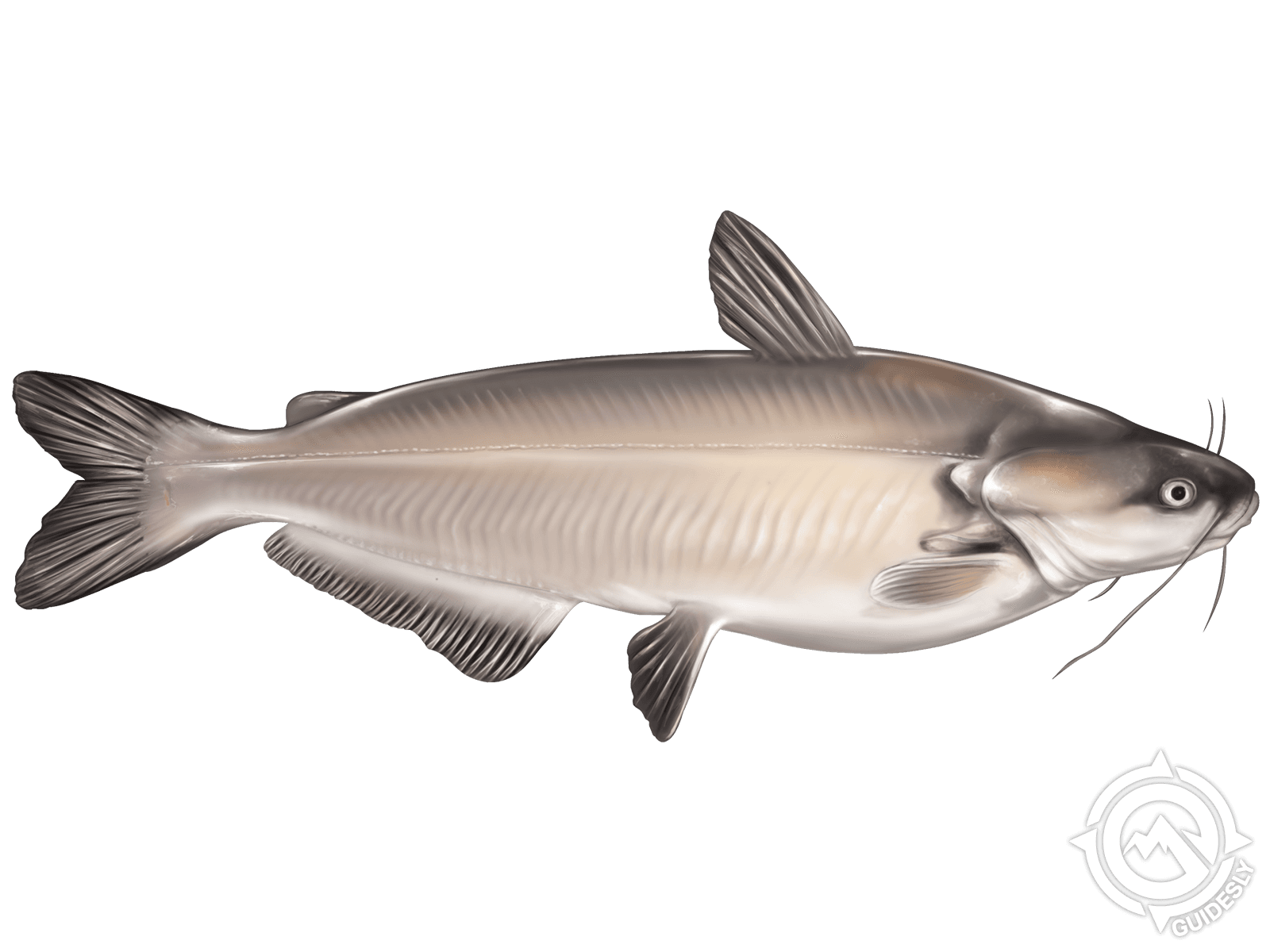
The Blue Catfish (Ictalurus Furcatus) is a formidable freshwater predator belonging to the family Ictaluridae within the order Siluriformes. Known locally as the Blue Cat, this species is instantly recognizable by its distinctive slate-blue coloration, deeply forked tail, and prominent dorsal hump. Unlike their cousins the Channel Catfish, Blue Catfish feature a squared-off anal fin and 30–36 fin rays, making them unmistakable to experienced anglers. These catfish are the largest of all North American catfish species and have earned a reputation as both prized catches and, in places like Virginia, controversial invasive pests due to their explosive population growth and voracious appetite for native species.
Blue Catfish Habitat and Distribution
Blue Catfish thrive in rivers, lakes, flats, and backcountry waters throughout North America. They show a remarkable adaptability to brackish water environments, a trait that has contributed to their expansion beyond their native range. These fish are typically found in deep holes with muddy bottoms, particularly near tidal creeks where they can follow the tide and establish territories. Their low mortality rate and hunting prowess have allowed populations to flourish, especially in the Chesapeake Bay region and Virginia waterways. If you're exploring Blue Catfish habitat, focus on areas where strong tidal influences create channels and deeper holes—these are the highways and hunting grounds where these catfish congregate and feed most actively.
Blue Catfish Size and Weight
Blue Catfish are impressive in stature. They typically range from 25 to 46 inches in length, with weights averaging 20 to 81 pounds, though trophy specimens can push even higher. What makes the Blue Cat so remarkable is not just individual size but their consistency—many fish in popular fisheries will exceed 40 pounds. Their muscular build, underbite, and powerful tail enable them to dominate their aquatic ecosystems and provide anglers with genuine battles when hooked. The combination of mass and strength makes landing one of these catfish a memorable experience that demands proper equipment and technique.
Blue Catfish Diet and Behavior
Blue Catfish are described as terrifying hunters and opportunistic feeders with an almost legendary appetite. They consume virtually anything available: crawfish, freshwater mussels, frogs, smaller fish, and even Asian Carp when they reach larger sizes. Their behavior as scavengers is particularly notable—anglers frequently observe Blue Catfish feeding beneath schools of Striped Bass, capitalizing on baitfish escaping from larger predators. The fish's barbels serve as sensitive taste receptors that allow them to detect food in murky water, and their underbite positions them well for surface feeding and opportunistic strikes. They are primarily nocturnal hunters, making them most active during dawn, dusk, and nighttime hours. In Virginia and other regions where Blue Catfish populations have exploded, their predatory impact on native fish and crustacean populations—particularly blue crabs—has made them ecological concerns that warrant culling efforts.
Blue Catfish Spawning or Seasonal Activity
Blue Catfish spawning typically occurs in late spring through early summer when water temperatures warm. During spawning season, they seek shelter in hollow logs, root systems, and rocky crevices, creating nesting sites that can be surprisingly territorial. Outside of spawning periods, these catfish remain active year-round, though their feeding intensity can fluctuate with seasonal changes and water temperature. Winter months see them moving into deeper channels and holes where they remain relatively stationary, conserving energy in cooler water. Spring and fall periods, when water temperatures moderate, tend to trigger increased feeding activity, making these seasons particularly productive for anglers targeting Blue Catfish across their range.
Blue Catfish Techniques for Observation or Capture
Fresh-Cut Bait Method: The most effective approach for catching Blue Catfish involves fresh-cut bait—herring, sardine, shad, or even chicken liver. Cut your bait into chunks to release blood and scent into the water, which activates the fish's taste receptors across their body. Lower your bait to the bottom and let it rest; resist the urge to move it constantly, as these opportunistic hunters prefer stationary, easy targets. When you feel 1–2 nibbles, set the hook firmly. This passive method works especially well during evening and night hours when catfish are most active. Around Virginia's tidal rivers, this technique near deep muddy holes has proven particularly productive for landing trophy-sized specimens.
Electrofishing Technique: Electrofishing uses a cathode and anode to attract and temporarily stun catfish, making them easier to collect for research or culling efforts. While primarily a scientific and management tool, some recreational anglers in regulated areas explore this method. The electric field does not damage the fish's meat quality, and the mild shock makes handling safer. This advanced technique requires proper training and permits, but when deployed correctly in known hotspots, it can yield remarkable catches—some studies report hauling 700+ Blue Catfish per hour in heavily populated areas.
Location and Timing Tip: Identify deep channels and holes in lakes and rivers near tidal creeks, particularly in areas where Blue Catfish are known to congregate. Fish from dusk through midnight for optimal results, bringing leather gloves or high-friction fishing gloves to manage these slimy, powerful fighters. Around Virginia, focus on river systems in the Chesapeake Bay region where these catfish are most abundant and actively hunted by both recreational and commercial fisheries.
Blue Catfish Culinary or Utilization Notes
Blue Catfish meat is firm, white, and considered excellent eating by many anglers and chefs. The flavor is mild and slightly sweet, making it versatile for frying, baking, grilling, and stewing. A 40-pound Blue Catfish yields substantial fillets with minimal waste. However, in regions like Virginia where populations are considered invasive and destructive to native species, the culinary angle serves a secondary but important purpose: encouraging harvest and consumption as a population management strategy. Eating Blue Catfish is not only delicious but also environmentally responsible in areas where their numbers threaten ecological balance. The nutritional profile is strong, offering high-quality protein and beneficial omega fatty acids. Some restaurateurs and chefs have embraced farm-raised and wild-caught Blue Catfish as a sustainable, flavorful protein option that supports ecosystem health.
Blue Catfish Frequently Asked Questions
Q: What is the best bait for catching Blue Catfish?
A: Fresh-cut bait is your best bet. Use herring, sardine, shad, or chicken liver cut into chunks. The fresh blood and scent disperse into the water, triggering the catfish's taste receptors and drawing them to your bait. Let it sink to the bottom and remain still—these fish prefer an easy, stationary meal.
Q: Where can I find Blue Catfish near Virginia?
A: Virginia's tidal rivers, particularly those feeding into the Chesapeake Bay, are prime Blue Catfish habitat. Look for deep holes with muddy bottoms near tidal creeks. The James River, York River, and Rappahannock River systems all hold substantial populations. Fish near deep channels where the tide ebbs and flows—catfish follow these currents to hunt.
Q: Is Blue Catfish good to eat?
A: Absolutely. Blue Catfish meat is firm, white, and mild-flavored, making it excellent for frying, baking, or grilling. A large specimen provides substantial, high-quality fillets. In regions where populations are invasive, catching and eating them is both delicious and environmentally beneficial, helping to manage populations while enjoying a nutritious meal.
Q: When is the best time to catch Blue Catfish?
A: Dusk through midnight is prime time, though they can be caught throughout the day. Spring and fall offer increased feeding activity as water temperatures moderate. Night fishing in summer months, when water is warm and daylight feeding slows, is often most productive. Winter finds them in deeper holes but still catchable for determined anglers.
Q: How do I identify a Blue Catfish versus a Channel Catfish?
A: Blue Catfish have 30–36 fin rays and a squared-off anal fin, while Channel Catfish have rounded anal fins and fewer rays. Blue Catfish also feature a prominent dorsal hump and deeply forked tail. Their slate-blue coloration and underbite are additional distinguishing features. Counting rays is the most reliable field method.
Q: What size should I expect to catch?
A: Blue Catfish typically range from 25 to 46 inches and weigh 20 to 81 pounds. Many fish in established fisheries exceed 40 pounds, making them consistently impressive catches. They are the largest of all North American catfish species, so prepare for a powerful battle when you hook into one.